About Trees Ltd – Kent Tree Surgeon

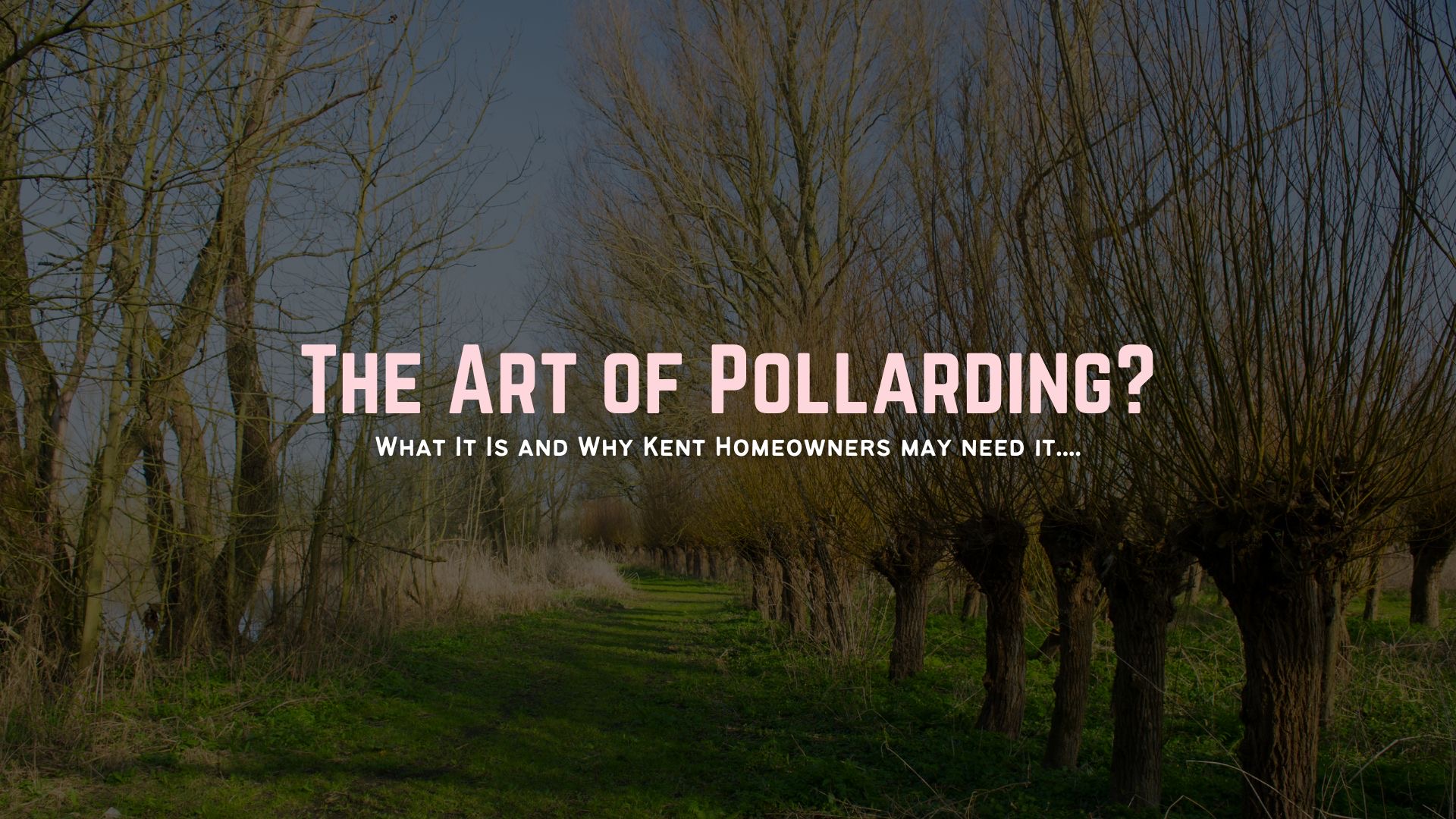
Pollarding: What It Is and Why Kent Homeowners May Need It

If you’re a Kent homeowner and want to know more about pollarding then you’re in the right place!

Pollarding is a pruning technique with a long history in the UK. You may have seen pollarded limes or planes lining streets in Canterbury or Maidstone or mature willows shaped this way near Ashford and Tunbridge Wells. But what actually is pollarding and why is it used?

This blog will walk you through the purpose of pollarding, when it’s appropriate and how it benefits trees and homeowners.

Understanding pollarding

Pollarding is the practice of removing the upper branches of a tree to encourage a dense, controlled head of new growth. It’s carried out by making cuts at a specific height (usually above human reach) to limit the size of the tree and maintain its structure year after year. It’s important to note pollarding is only suitable for certain species, such as:

  • Lime (Tilia)
  • Plane (Platanus)
  • Willow
  • Poplar
  • Ash (traditional pollards)

Attempting to pollard the wrong species or at the wrong time can severely damage or destabilise the tree.

Why is pollarding used for homes in Kent?

Pollarding has several practical and aesthetic benefits:

Controls tree size, making it ideal for gardens or streets where space is limited.

Reduces shade, allowing more light into gardens and homes.

Prevents branches overextending, decreasing the risk of breakage.

Encourages fresh, healthy regrowth, which can improve overall appearance.

Minimises conflicts with buildings, roads, footpaths or overhead wires.

In many built-up parts of Kent, such as Whitstable or central Canterbury, pollarding is one of the best ways to manage trees that would otherwise grow too large for their surroundings.

When should pollarding be done?

Timing is crucial. Pollarding is typically carried out in winter, when the tree is dormant or early spring, depending on the species. Some key guidelines include:

First-time pollarding must be done with care, as it sets the structure for all future cycles.

Once a tree has been pollarded, it should be maintained regularly, often every 1–3 years.

Mature trees should not be “pollarded” suddenly if they have never been managed this way before; this can cause shock or structural failure.

How the pollarding process works

Here’s what you can expect from the process:

Assessment: We look at species, age, condition and previous management to check if pollarding is suitable.

Planning the cuts: Pollarding requires strategically placed cuts at a consistent height to encourage balanced regrowth.

Carrying out the work: Our team removes specific branches while maintaining the structure that will support future cycles of growth.

Ongoing maintenance: Pollarded trees need regular follow-up work to keep them healthy and safe.

The benefits of pollarding for Kent homeowners

Pollarding offers a number of helpful benefits, particularly for properties where space is limited or where a tree has begun to outgrow its surroundings.

By keeping the tree’s size under control, pollarding allows more light into your garden and reduces the likelihood of branches encroaching on buildings, boundaries or public pathways. It also helps prevent limbs from becoming overextended and prone to failure, which is especially important in areas of Kent that experience strong winds or confined garden spaces.

When carried out correctly and maintained over time, pollarding can actually improve the long-term health of suitable species. The regular cycle of removing and renewing growth encourages a strong framework and can give the tree a neater, more uniform appearance.

For many homeowners, this combination of practicality, safety and aesthetics makes pollarding a reliable and effective way to manage trees that would otherwise become unmanageable.

Is pollarding right for your tree?

Pollarding is an excellent management technique but only when applied to the right species, at the right time and with a long-term plan. If you’re unsure, we can assess your tree and advise on the best approach.

Our team at About Trees regularly carry out pollarding for homeowners across Kent, including Canterbury, Maidstone, Ashford, Whitstable and Tunbridge Wells.

In summary

Pollarding is a skilled, ongoing tree management technique that helps control size, improve safety and enhance appearance. With expert care, it can keep suitable trees healthy and manageable for decades. If you’d like advice on whether pollarding is appropriate for your tree, contact our team for honest, expert advice.

We’ll visit your site, assess the tree and recommend the best course of action for your situation.

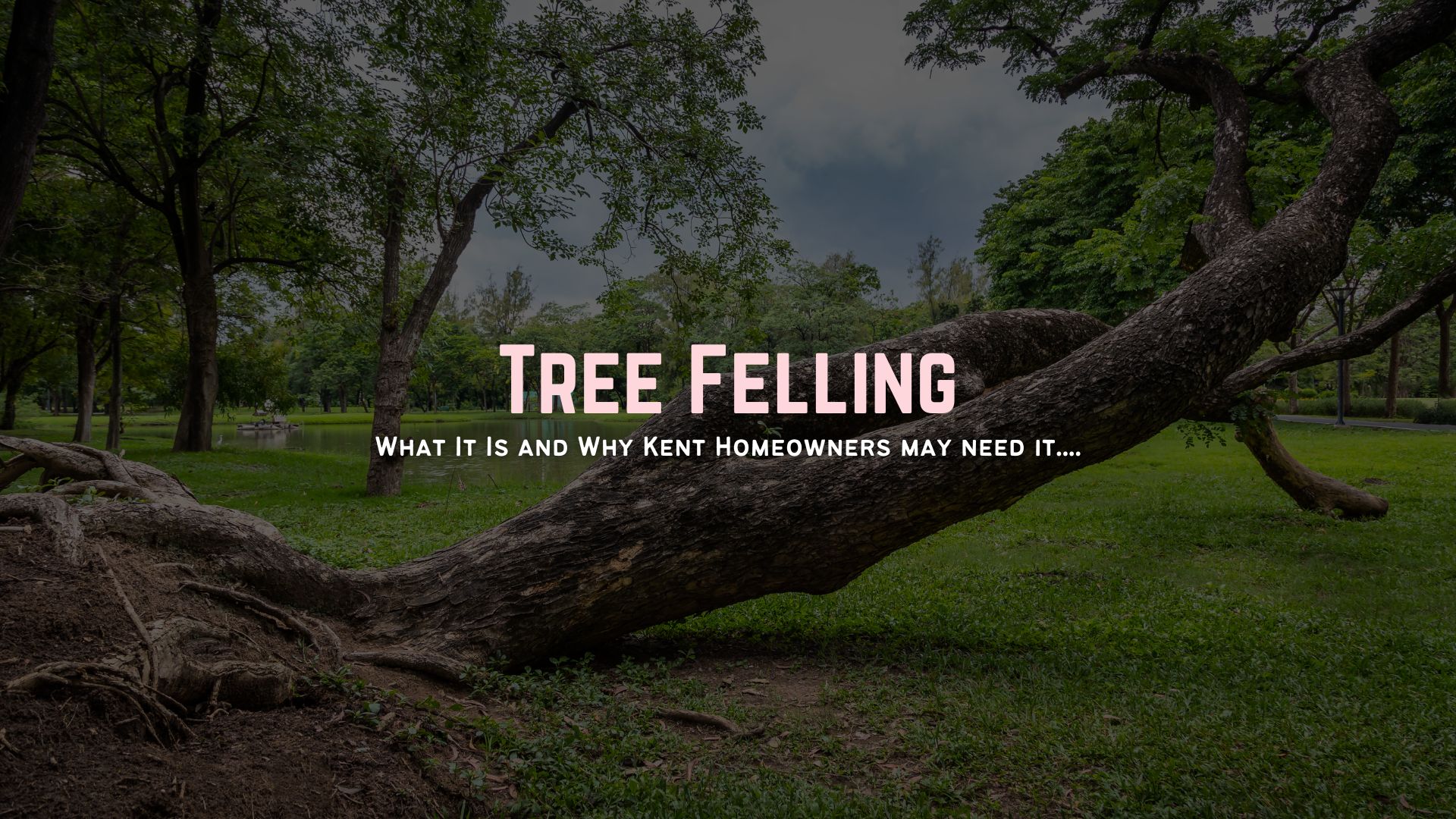
Tree Felling: What It Is and Why Kent Homeowners May Need It

If you’re a Kent homeowner and want to know more about tree felling then you’re in the right place!

A clear guide to understanding when and why trees are safely removed trees bring huge value to our gardens – structure, shade, character and wildlife. But there are times when a tree becomes unsafe or unsuitable for its location and removal becomes the most responsible option. That’s where tree felling comes in.

In this blog, we’ll explain what tree felling involves, when it’s needed, and how the process works, so you know what to expect if you’re considering this service on your property in Kent.

Understanding tree felling

Tree felling is the careful removal of a tree, carried out by qualified arborists using specialist techniques and equipment. While the term may sound dramatic, the goal is always the same: to remove the tree in the safest and most controlled way possible.

Felling may involve cutting the tree at its base (known as a straight fell) but in most domestic gardens (especially those in towns like Whitstable, Maidstone or Canterbury) this isn’t feasible due to limited space. Instead, arborists use a method called sectional dismantling, where the tree is taken down piece by piece.

No two tree felling jobs are the same. The size of the tree, location, species and nearby hazards all determine the safest approach.

When is tree felling needed?

Tree felling is usually considered a last resort, but there are clear situations where it becomes necessary:

The tree is dead or dying and poses a safety risk, structural defects (such as large cracks, decay, or root failure) make the tree unstable, storm damage has compromised the tree beyond repair, the tree has outgrown its space causing problems for buildings, driveways or neighbours, disease or pests are present and removing the tree prevents further spread or a tree is blocking planned construction such as extensions or landscaping work.

In Kent, we often see felling required for species like Leylandii, ash (due to ash dieback) and older garden trees that have become too large for tight spaces. If removal is recommended, it’s always because keeping the tree presents a higher risk than taking it down.

How the tree felling process works

At About Trees, tree felling begins long before the first cut is made. Here’s what you can expect:

Assessment & safety survey: We visit your property to assess the tree, surrounding space, and access. We look for decay, hazards and structural issues and determine whether felling is the safest option.

Planning & quotation: You’ll receive a clear breakdown of the work required, along with any permissions needed (e.g. conservation areas or Tree Preservation Orders).

Tree removal: Depending on the location, this may involve straight felling in open areas, dismantling the tree in sections and rigging techniques to lower branches safely. Every cut is controlled to protect your property and surroundings.

Clearing & stump options: Timber can be removed or left on site, depending on your needs. We can also arrange stump grinding if you’d prefer a clean, level finish.

The benefits of tree felling for Kent homeowners

Tree felling offers several key advantages including including keeping your property safe, ensuring controlled removal with minimal disruption, reducing the risk of falling branches or sudden tree failure, allowing homeowners to replant more suitable species all whilst complying with regulations and best industry practice.

While cable bracing can extend the life of a tree for many years, it’s important to remember that it isn’t a permanent fix. Regular inspections are essential to ensure continued safety and effectiveness.

Is tree felling right for your situation?

If you’re worried about a tree on your property, it’s always worth arranging an expert inspection. Many trees can be managed through pruning, crown reduction or bracing but if removal is the safest option, we’ll explain why.

Our team at About Trees work across Kent, supporting homeowners in Canterbury, Ashford, Whitstable, Tunbridge Wells, Maidstone and surrounding areas.

In summary

Tree felling is a safe, controlled process used when a tree becomes hazardous or unsuitable. With the right assessment, planning and expertise, it ensures your property stays safe while opening opportunities for replanting and future growth.With expert care, it can keep suitable trees healthy and manageable for decades. If you’d like advice on whether tree felling is appropriate at your Kent property, contact our team for honest, expert advice.

Cable Bracing: What It Is and Why It Matters to Kent Homeowners

If you’re a Kent homeowner and want to know more about cable bracing then you’re in the right place!

Trees can be remarkably resilient but like any living thing, they sometimes need a helping hand. Whether it’s an old oak that’s become a feature in your garden or a mature beech that’s starting to show signs of strain, keeping trees safe and standing often comes down to the right kind of support.

That’s where cable bracing comes in. A specialist technique designed to protect trees with structural weaknesses without resorting to heavy pruning or removal.

In this blog, we’ll explain exactly what cable bracing is, when it’s needed, and how it can help you preserve the trees you value most across Kent.

Understanding cable bracing

Cable bracing is a professional tree support method used to help trees with structural weaknesses. In simple terms, it involves installing flexible, high-strength cables between branches or stems to limit movement and reduce the chance of failure in high winds or heavy weather.

It’s often used when a tree has two or more main stems (known as co-dominant stems) that could split apart, cracks or weaknesses forming at the junction between branches, a large limb that’s grown too heavy or extended too far or visible signs of stress or damage that could worsen in storms

By carefully installing bracing cables, arborists can reduce strain on weak points and extend the life of the tree – avoiding the need for unnecessary removal.

At About Trees, we use modern, non-invasive systems designed to support the tree without drilling or causing long-term damage. These systems are discreet, effective and ideal for mature specimens that you’d rather preserve than lose.

When is cable bracing needed for your Kent home?

Cable bracing isn’t something that every tree needs, but it’s an excellent solution in the right circumstances. You might consider it if you have a much-loved tree with a visible split or weak fork that you don’t want to remove, you’ve noticed excessive movement during high winds, you’ve recently had a tree survey that highlighted structural defects or the tree is located near buildings, pathways or areas where falling branches would be a safety risk

In Kent, we often see the need for cable bracing in older gardens or established properties where mature trees have grown large over time. Trees in built-up or exposed areas, like parts of Whitstable or the outskirts of Maidstone, can be especially vulnerable to wind stress.

For homeowners and landowners who want to retain their trees safely, cable bracing offers a practical, long-term solution.

How the cable bracing process works?

At About Trees, every cable bracing project starts with a thorough assessment. Here’s how we typically approach it:

Inspection and diagnosis: Our qualified arborists visit your property to inspect the tree’s structure and health. We’ll identify any weak unions, heavy limbs, or signs of cracking and decide whether bracing is appropriate.

Design and quotation: Once we’ve confirmed that bracing is the right option, we’ll provide a clear quotation and plan showing where the cables will be installed and what type of system will be used.

Installation: The bracing system is installed at carefully selected anchor points in the upper canopy to redistribute weight and movement. We always use flexible, high-quality materials that move naturally with the tree.

Follow-up care: After installation, regular inspections are essential to ensure the system remains effective as the tree grows and seasons change. We can schedule maintenance checks and adjustments as part of your ongoing tree care plan.

The benefits of cable bracing

Cable bracing offers several key advantages including it preserves mature trees that would otherwise need to be heavily pruned or felled, improves safety by reducing the risk of structural failure, minimises damage to the tree, using flexible, non-invasive systems, maintains natural appearance – most systems are barely visible once in place and provides peace of mind, especially during strong winds or storms

While cable bracing can extend the life of a tree for many years, it’s important to remember that it isn’t a permanent fix. Regular inspections are essential to ensure continued safety and effectiveness.

Is cable bracing right for your tree?

If you’re unsure whether cable bracing is suitable for your tree, it’s always best to have an expert take a look. The decision depends on factors like species, health, position, and how severe the structural defect is.

Our team at About Trees has extensive experience working with trees across Kent from the coastal gardens of Whitstable to larger properties near Tunbridge Wells and Maidstone. We can help you decide whether cable bracing is the best solution, or whether pruning, monitoring, or removal might be more appropriate.

In summary

Cable bracing is a tried-and-tested way to help trees with structural weaknesses remain stable, safe, and healthy. When installed and maintained by a qualified arborist, it can significantly extend a tree’s lifespan – allowing you to retain its beauty and character for years to come.

If you have a tree on your property that you’re concerned about, contact our team for honest, expert advice. We’ll visit your site, assess the tree and recommend the best course of action for your situation.